Seven Years Behind a Locked Door: the Cape Coast Castle Museum Gallery
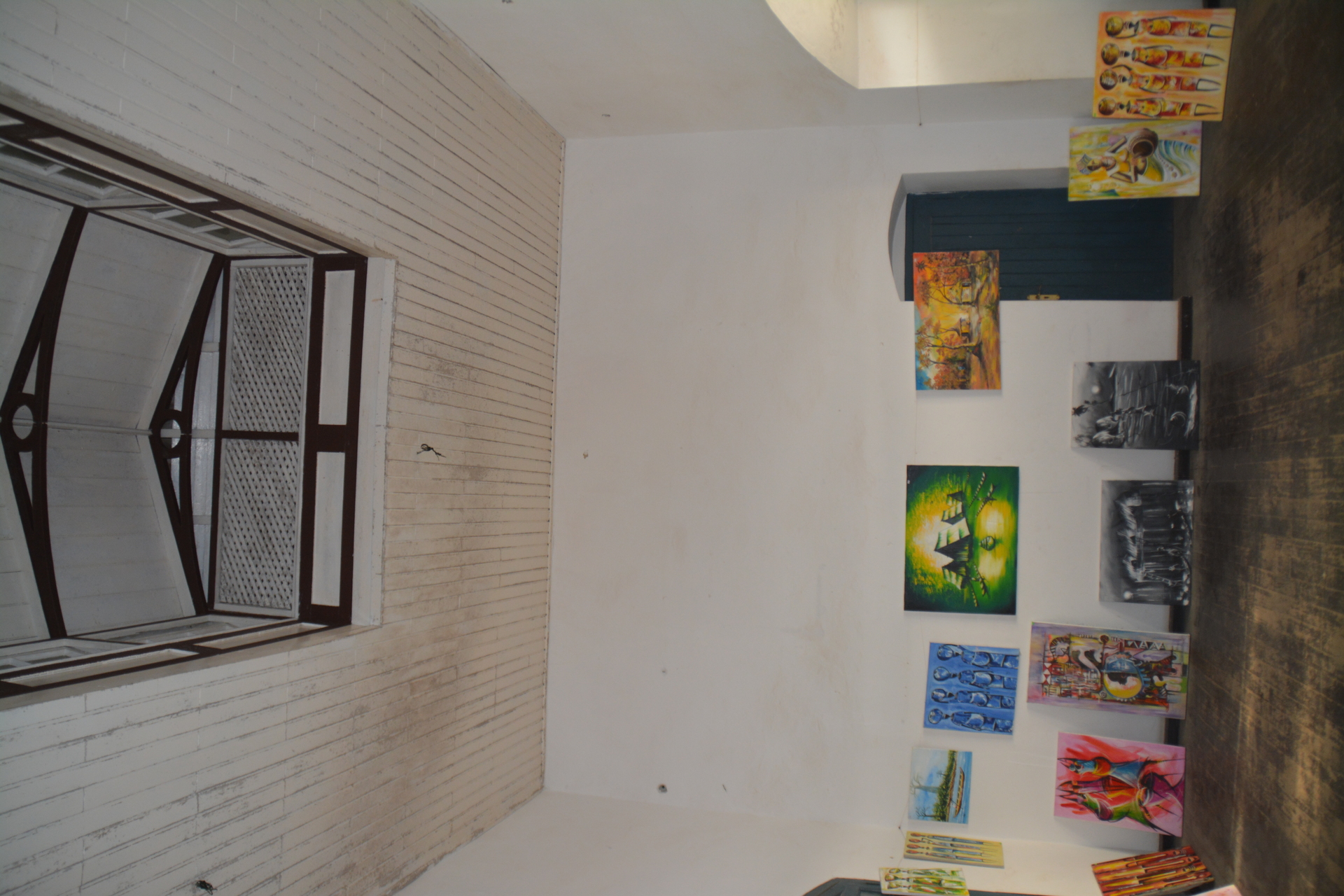
GhanaMuseums.com · Investigation · Cape Coast · 24 November 2026
Seven Years Behind a Locked Door
The museum gallery inside Cape Coast Castle — the one place in Ghana's most visited heritage site that explained the history behind the dungeons — has been shut for years. Termites ate the displays. Nobody has repaired them. The ticket money goes to Accra. And the official website still tells visitors the museum is open every day.
Search our Network. Start here.
What happened
On 23 November 2026 the Ghana News Agency reported what many guides at Cape Coast have known for a long time: the main museum gallery of the castle is closed and decaying. The gallery was opened in 1994 as part of the West Africa Museum Project. It told the story of the region from prehistory and the Stone and Iron Ages to the arrival of the Europeans, colonial rule, the struggle for independence, chieftaincy, festivals, funerals and traditional work.
According to Robert Morgan Mensah, head of the Education Department of the Ghana Museums and Monuments Board (GMMB), the gallery was closed for seven months during the COVID-19 pandemic. When the doors were opened again, termites had eaten most of the exhibition panels and destroyed other artefacts. It was closed again for renovation — and that renovation never happened.
- Repairs since the damage: none, according to GMMB itself.
- Renovation budget: prepared about two years ago. No amount published. No work done.
- Decision on what to do: still open — refurbish, or overhaul completely.
- GMMB's own description: a "major setback to tourism" at Cape Coast and Elmina.
Six or seven years? The reports say seven. GMMB's own account — closed for COVID, reopened, then shut because of the termites — points to a second closure around 2020. Whether the door has been locked for six years or seven, it has been locked through two governments and one pandemic recovery.
Where the money goes
This is not a castle without visitors. It is a castle without control over its own income.
GMMB says Cape Coast Castle received 140,209 visitors in 2025, up from about 123,000 in 2024, and some 93,000 by 20 November 2026. About three-quarters were Ghanaians. Every ticket is paid at the gate — and the money is sent to Accra under the Consolidated Fund arrangement. Mr Mensah has asked that the castle be allowed to keep part of its own revenue for maintenance and daily operations. Today it cannot.
What 140,209 tickets are worth — our estimate
At GMMB's current fees (Ghanaian adults GH₵20, non-Ghanaian adults GH₵80, children and students less), and with about 74 per cent of visitors Ghanaian, the gate at Cape Coast Castle took somewhere between roughly GH₵1.2 million (if almost everyone paid the lowest school and student rates) and GH₵5 million (if everyone paid the adult rate) in 2025. For one site, in one year.
Estimate by GhanaMuseums.com from GMMB's visitor figures and current fee table. The true figure lies between the two. We have asked GMMB for it. Current fees for every site: Latest entrance fees.
Nobody outside GMMB knows what a new gallery would cost, because the budget prepared two years ago has never been published. But it is hard to believe that the panels of a single gallery would cost more than what the castle's visitors pay in a good year.
Who paid last time. The 1994 gallery was not paid for by Ghana alone. GMMB's own history says the museum's face-lift was funded by the UNDP, USAID and the Smithsonian Institution, with counterpart funding from the Government of Ghana. Thirty years later, the country has not managed to protect what others helped to build. What the Board does spend its money on is set out in Where Does the Money Go?
What GMMB still tells visitors
Open the Board's official page for the Cape Coast Castle Museum today and you will read that the museum is open from 9:00am to 4:30pm every day, with exhibits on the slave trade, traditional cloths, carved utensils, musical instruments and a model of the castle, plus conference halls, a library, a studio and shops. There is no word that the main gallery has been locked for years.
A visitor who plans a trip from that page — a diaspora family, a school group, a researcher — will arrive expecting a museum and find a closed door. That is not a small error on a forgotten page. It is the institution responsible for the castle describing a museum that visitors cannot enter. We have written before about what happens to Ghana's official heritage websites: Who Holds the Keys? and Ghost Attractions, Ghost Websites.
A pattern, not an accident
Cape Coast's locked gallery belongs to a long list. Look across the road from the castle.
- The Atta Mills Memorial Library, a three-storey building directly opposite the castle, was inaugurated years ago and has never properly opened. Its metal is rusting in the sea air and the gutters around it are choked.
- The forts and castles as a whole are on UNESCO's watch for poor conservation. In June 2026 President Mahama pledged money in the 2027 budget to renovate them and avoid losing the World Heritage listing. Promises for next year's budget do not open this year's doors.
- The forts we have reported on tell the same story: Ussher Fort, Fort Vernon and Fort Prinzenstein. The wider list is in Ghana's Museums and Landmarks at Risk of Decay in 2026 and Ghana's Ghosts.
Each year there are launches, durbars, heritage months and speeches about "unlocking the potential of our heritage". Each year the same doors stay shut. A country that welcomes the diaspora home in its thousands cannot keep the one room open that explains what happened to their ancestors.
We said it before. In our open letter to the GMMB — Masters of Self-Celebration and in Wining While History Crumbles we asked how an institution can celebrate itself while its sites decay. Cape Coast's locked gallery is the answer nobody wanted.
Our questions to GMMB and the Ministry
- On what date exactly was the gallery closed, and who decided it?
- How much did Cape Coast Castle and Elmina Castle pay into the Consolidated Fund in 2024 and 2025?
- What is the amount of the renovation budget prepared two years ago, and who received it?
- Why does GMMB's website still describe the museum as open every day?
- Will the castles be allowed to keep part of their own revenue, as GMMB's own staff are asking?
- Is the gallery's renovation included in the 2027 budget the President promised in June?
We will publish any answer in full, and update this article when the gallery reopens.
If you go to Cape Coast Castle now
The castle itself is open. The guided tour still takes you through the male and female dungeons, the condemned cell, Dalzel Tower and the cannons, and out through the Door of No Return. Evening tours are offered under extended hours. What you will not see is the gallery — so read before you go: CapeCoastCastleMuseum.com has carried the castle's history online since 2008.
Cape Coast Castle, Victoria Road, Cape Coast.
Tours to Cape Coast and Elmina
Entrance fees are included in the tour price; tips are not included but are always welcome.
Read also: Entrance fees: forts, castles and museums · Christiansborg: 300 castle slaves buried beneath Osu Castle · Cape Coast Castle Museum · Elmina Castle · War Cemetery Cape Coast · Cape Coast travel guide
Published 24 November 2026. Based on the Ghana News Agency report of 23 November 2026 (carried by GhanaWeb, MyJoyOnline, GBC and 3News), the GMMB website's pages on the Cape Coast Castle Museum and its current fees, and earlier reporting on the Atta Mills Memorial Library. Revenue figures are our estimate and are labelled as such. By Remo Kurka.
What you would expect, to find open and functioning
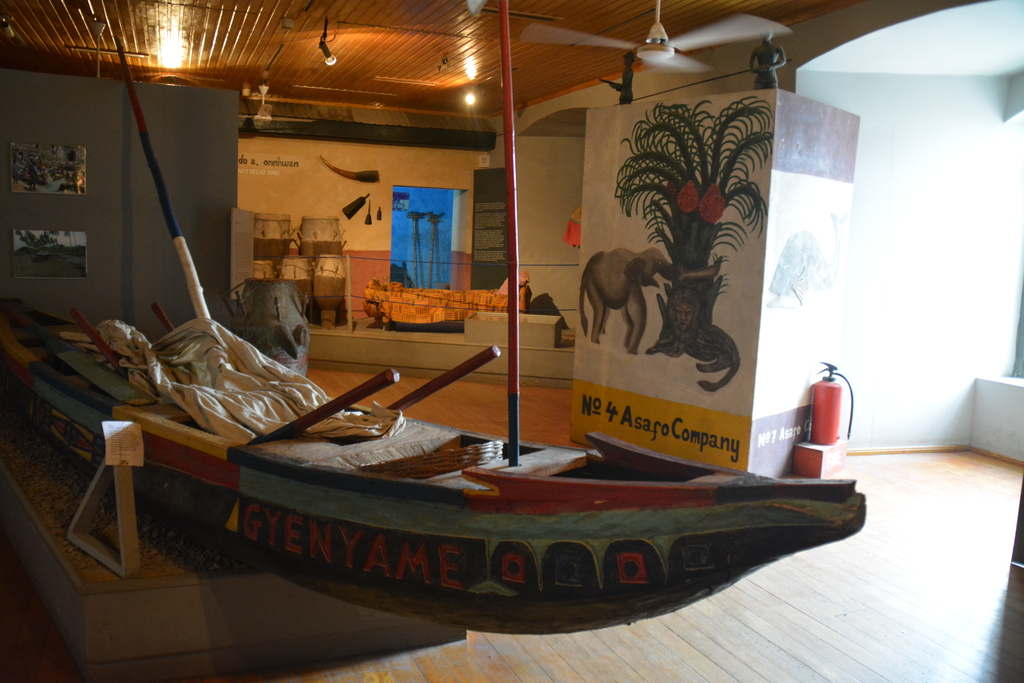
Part of the Museum at Cape Coast Castle. What you would expect, to find open and functioning. (c) Remo Kurka for GhanaMuseums